PCB Inspection and Testing Systems for Precision Manufacturing India
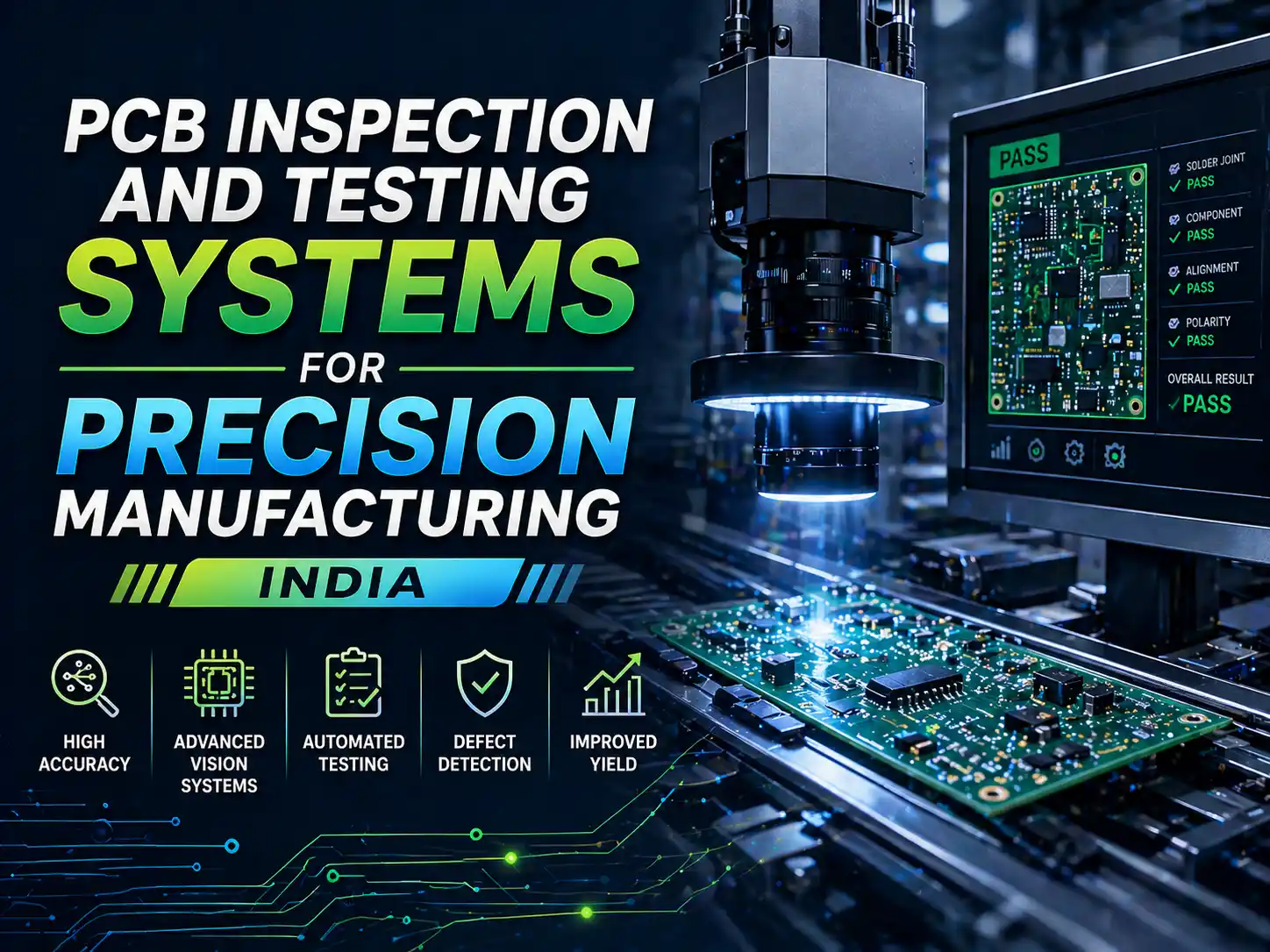
In the rapidly evolving electronics manufacturing industry, ensuring product quality is no longer limited to final-stage checks. As electronic assemblies become more compact and complex, even the smallest defect in a printed circuit board can lead to functional failures, costly rework, or long-term reliability issues. This is why PCB Inspection and Testing Systems have become an essential part of modern manufacturing processes.
In India, where electronics manufacturing is scaling rapidly, companies are increasingly adopting advanced inspection and testing solutions to meet global quality standards. Organizations such as Leaptech Corporation play an important role in enabling manufacturers to integrate these systems into their production lines, ensuring that quality is maintained at every stage rather than inspected at the end.
By incorporating inspection and testing as an integral part of the production workflow, manufacturers can reduce defects, improve efficiency, and deliver reliable products consistently.
Why PCB Inspection and Testing Systems Are Critical for Modern Electronics Manufacturing
As electronic products become more advanced, the tolerance for defects continues to decrease. A single faulty solder joint or misaligned component can compromise the entire system, making inspection and testing a critical requirement rather than an optional step.
Preventing Defects Before They Reach the Market
Inspection systems identify defects at early stages of production, preventing faulty boards from progressing further. This early detection reduces the chances of defective products reaching customers and protects brand reputation.
By identifying issues such as soldering defects, component misalignment, or missing parts, manufacturers can correct problems before they escalate into larger production failures.
Ensuring Consistent Quality Across High-Volume Production
In large-scale manufacturing, maintaining consistent quality across thousands of units is a significant challenge. Manual inspection methods often fail to keep up with the required speed and accuracy.
Automated inspection systems ensure that each PCB is evaluated using the same criteria, maintaining uniform quality standards across production batches.
Reducing Rework and Production Costs
Defects identified at later stages of production are more expensive to fix. By integrating inspection systems earlier in the process, manufacturers can reduce rework costs and minimize material wastage.
This leads to more efficient use of resources and improves overall production economics.
Types of PCB Inspection and Testing Systems Used in India
Modern PCB Inspection and Testing Systems include a range of technologies, each designed to detect specific types of defects and ensure comprehensive quality control.
Automated Optical Inspection (AOI) Systems
AOI systems use high-resolution cameras to capture images of PCBs and compare them against predefined standards. These systems are highly effective in detecting visible defects such as solder bridging, missing components, and incorrect placements.
They are widely used in production lines due to their speed and ability to inspect large volumes with high accuracy.
Solder Paste Inspection (SPI) Systems
SPI systems are used before the soldering process to inspect the application of solder paste on the PCB. They ensure that the correct amount of paste is applied in the right locations, which is critical for forming reliable solder joints.
By identifying issues at this stage, manufacturers can prevent defects that would otherwise appear later in the process.
X-Ray Inspection Systems
X-ray systems are used to detect defects that are not visible externally, such as voids in solder joints or hidden connections in complex assemblies. These systems are especially important for advanced electronics where components are densely packed.
They provide deeper insights into internal structures, ensuring that hidden defects do not compromise product reliability.
In-Circuit Testing (ICT) Systems
ICT systems test the electrical performance of components on a PCB. They verify whether each component is functioning correctly and whether connections are properly established.
This type of testing ensures that the board is not only visually correct but also functionally reliable.
How PCB Inspection and Testing Systems Improve Manufacturing Efficiency
The integration of PCB Inspection and Testing Systems into production lines transforms quality control from a reactive process into a proactive strategy.
Real-Time Defect Detection and Correction
Inspection systems operate in real time, allowing manufacturers to identify and address defects immediately. This prevents issues from accumulating and reduces the need for extensive rework later.
Improved Process Control Across Production Stages
By monitoring each stage of production, inspection systems provide valuable insights into process performance. This helps manufacturers identify recurring issues and implement corrective measures.
Faster Production Without Compromising Quality
Automated inspection systems operate at high speeds, enabling manufacturers to maintain production efficiency while ensuring quality standards are met.
Enhanced Traceability and Compliance
Inspection and testing systems generate data that can be used for traceability and compliance with industry standards. This is particularly important for sectors such as automotive and medical electronics.
How Leaptech Supports PCB Inspection and Testing System Implementation
Implementing PCB Inspection and Testing Systems effectively requires more than just selecting the right technology. It involves understanding production requirements, integrating systems seamlessly, and ensuring long-term performance.
Evaluating Production Needs and Challenges
Leaptech works closely with manufacturers to understand their production workflows, identify potential quality risks, and determine the most suitable inspection and testing solutions.
This ensures that the selected systems address real challenges rather than being generic additions to the production line.
Integrating Inspection Systems into Existing Workflows
One of the key challenges in adopting new technology is ensuring that it aligns with existing processes. Leaptech focuses on integrating inspection systems in a way that supports production flow without causing disruptions.
This approach allows manufacturers to enhance quality control while maintaining operational efficiency.
Providing Training and Technical Support
To ensure that inspection systems are used effectively, proper training and support are essential. Leaptech provides guidance and technical assistance to help teams operate systems efficiently and maintain performance over time.
Enabling Continuous Improvement Through Optimization
Inspection systems generate valuable data that can be used to improve processes. Leaptech supports manufacturers in analyzing this data and implementing improvements that enhance production quality and efficiency.
Key Benefits of PCB Inspection and Testing Systems for Manufacturers
The adoption of PCB Inspection and Testing Systems delivers long-term benefits that go beyond immediate quality improvements.
Higher Product Reliability and Performance
By detecting defects early and ensuring proper functionality, inspection systems improve the overall reliability of electronic products.
Reduced Production Costs and Waste
Early defect detection reduces rework and material wastage, leading to more efficient use of resources.
Increased Customer Confidence and Satisfaction
Consistent product quality enhances customer trust and strengthens brand reputation in competitive markets.
Better Decision-Making Through Data Insights
Inspection systems provide actionable data that helps manufacturers optimize processes and improve performance over time.
Competitive Advantage in Global Markets
Manufacturers who adopt advanced inspection systems are better positioned to meet international quality standards and compete effectively.
Choosing the Right PCB Inspection and Testing System Partner in India
Selecting the right partner for implementing PCB Inspection and Testing Systems is a critical decision that directly impacts production quality, efficiency, and long-term scalability. While the technology itself plays an important role, the expertise and approach of the solution provider determine how effectively that technology delivers results in real-world manufacturing environments.
Understanding Production Requirements in Detail
A reliable partner does not begin with a product recommendation but with a deep understanding of the manufacturer’s production environment. This includes evaluating the complexity of PCB designs, identifying potential defect risks, and analyzing workflow inefficiencies.
By taking this approach, the solution is tailored to actual production needs rather than being a generic implementation, ensuring that the system adds measurable value.
Designing Solutions That Align with Process Flow
Inspection and testing systems must integrate seamlessly into existing production lines. A capable partner ensures that these systems are positioned at the right stages, allowing for early defect detection without disrupting production speed.
This alignment between inspection systems and workflow improves efficiency while maintaining consistency in output.
Ensuring Seamless Integration and Minimal Downtime
One of the biggest challenges in adopting new systems is avoiding production disruptions. An experienced partner focuses on smooth integration, ensuring that new technologies complement existing processes rather than creating bottlenecks.
This reduces downtime during implementation and allows manufacturers to continue operations with minimal interruption.
Providing Long-Term Technical Support and Optimization
PCB inspection and testing systems require continuous monitoring and optimization to maintain performance. A strong partner offers ongoing support, training, and system upgrades to ensure that the technology evolves with changing production requirements.
This long-term involvement ensures that manufacturers continue to derive value from their investment.
Leaptech’s Role as a Solution-Oriented Partner
With its focus on system integration, process understanding, and continuous support,Leaptech Corporation approaches inspection and testing as part of a larger production strategy. This ensures that manufacturers are not just adopting new systems, but building reliable and scalable quality control processes.
FAQ’S
1. What is PCB inspection in electronics manufacturing?
PCB inspection is the process of identifying defects such as misalignment, soldering issues, or missing components during or after production to ensure quality and reliability.
2. What are the different types of PCB testing methods?
Common methods include Automated Optical Inspection (AOI), Solder Paste Inspection (SPI), X-ray inspection, and In-Circuit Testing (ICT), each used to detect specific types of defects.
3. Why is PCB testing important in manufacturing?
PCB testing helps detect defects early, reduce rework, improve product reliability, and ensure that electronic devices perform correctly in real-world conditions.
4. How does AOI inspection work in PCB manufacturing?
AOI systems use cameras to scan PCBs and compare them with predefined standards to identify defects such as incorrect placement, solder bridges, or missing components.
5. Which PCB inspection method is best for high-quality production?
There is no single best method. Manufacturers typically use a combination of AOI, SPI, and X-ray inspection to achieve comprehensive quality control across all stages of production.